WHEN LIVING CONDITIONS BECAME AN ACCOUNTABILITY ISSUE.
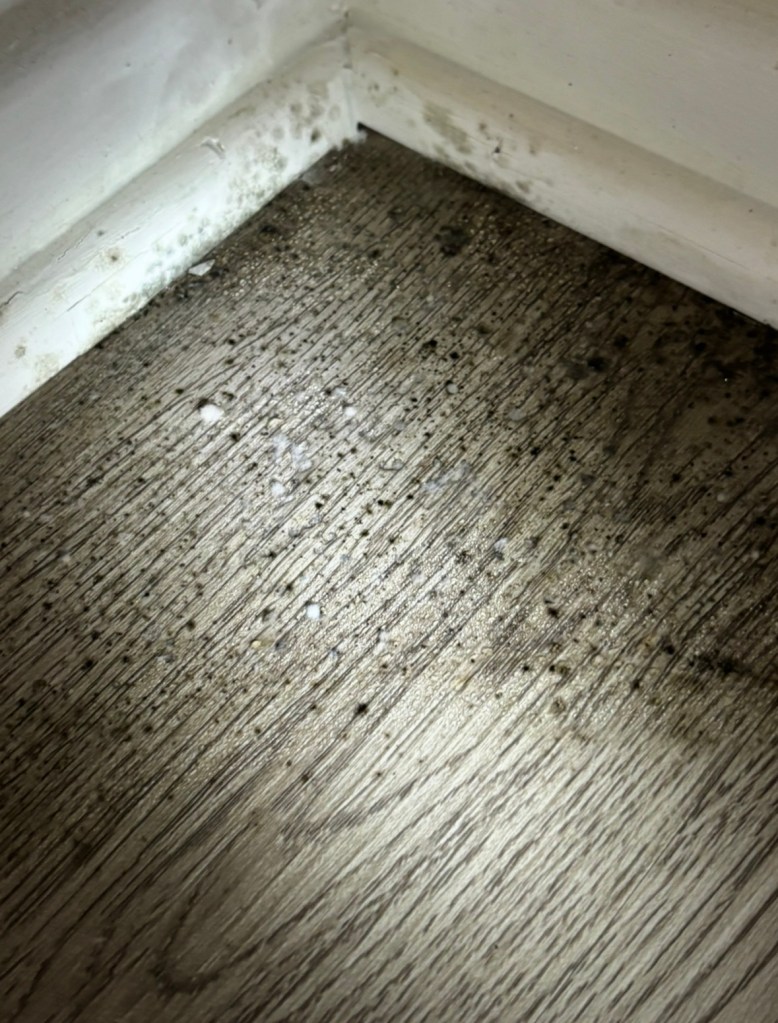
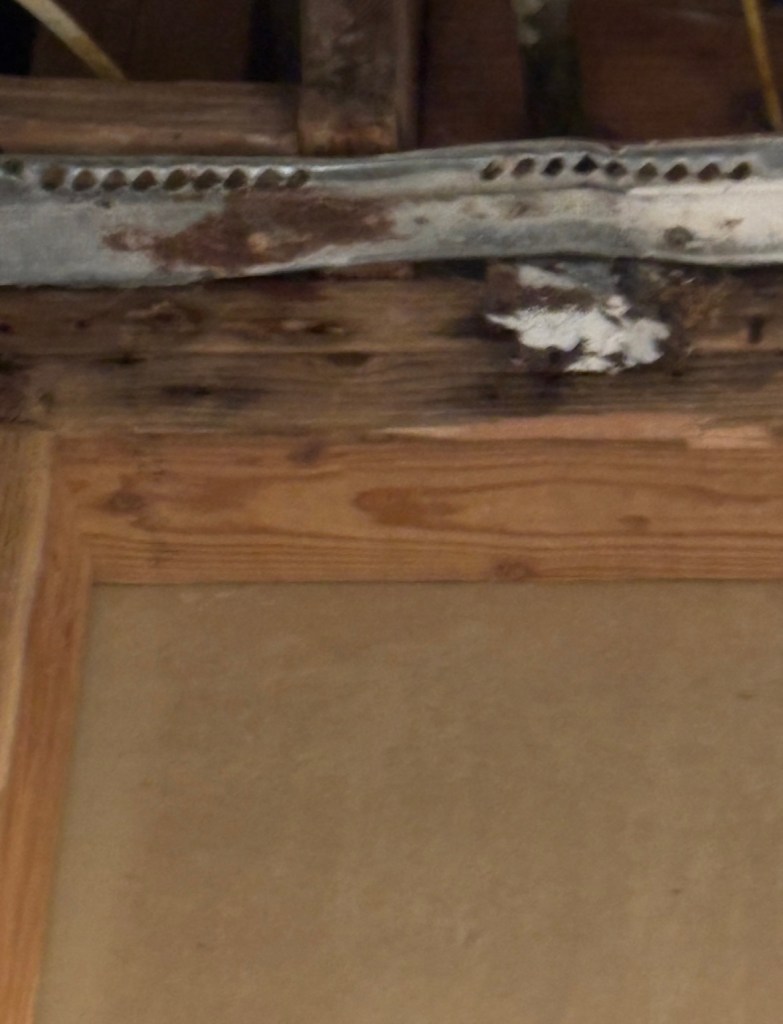
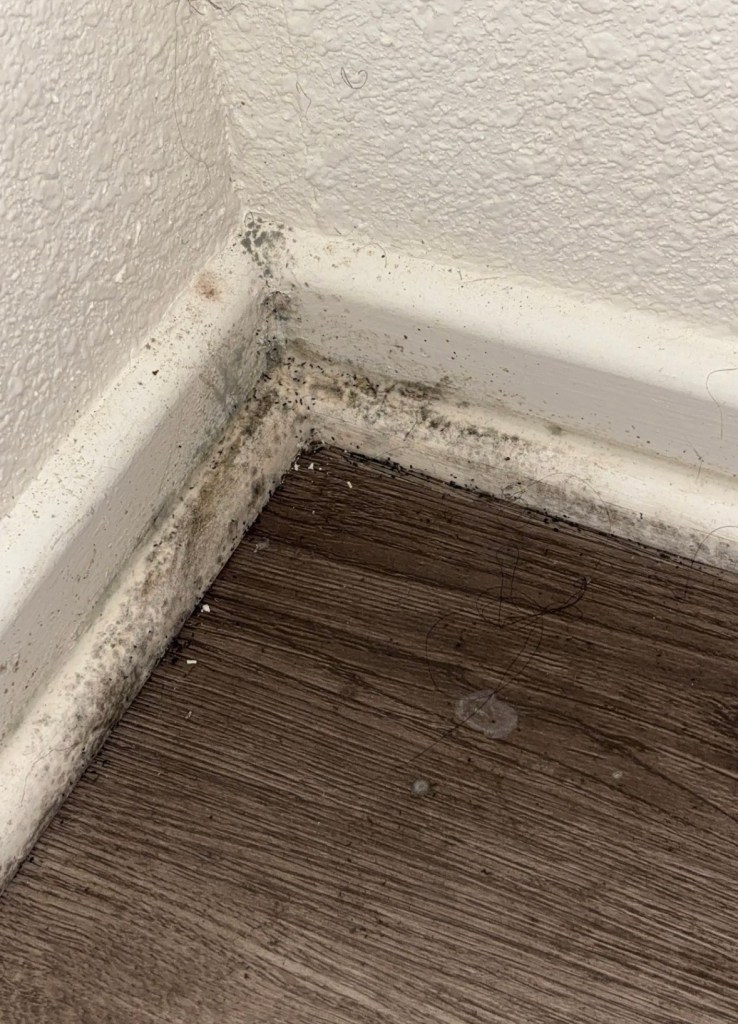
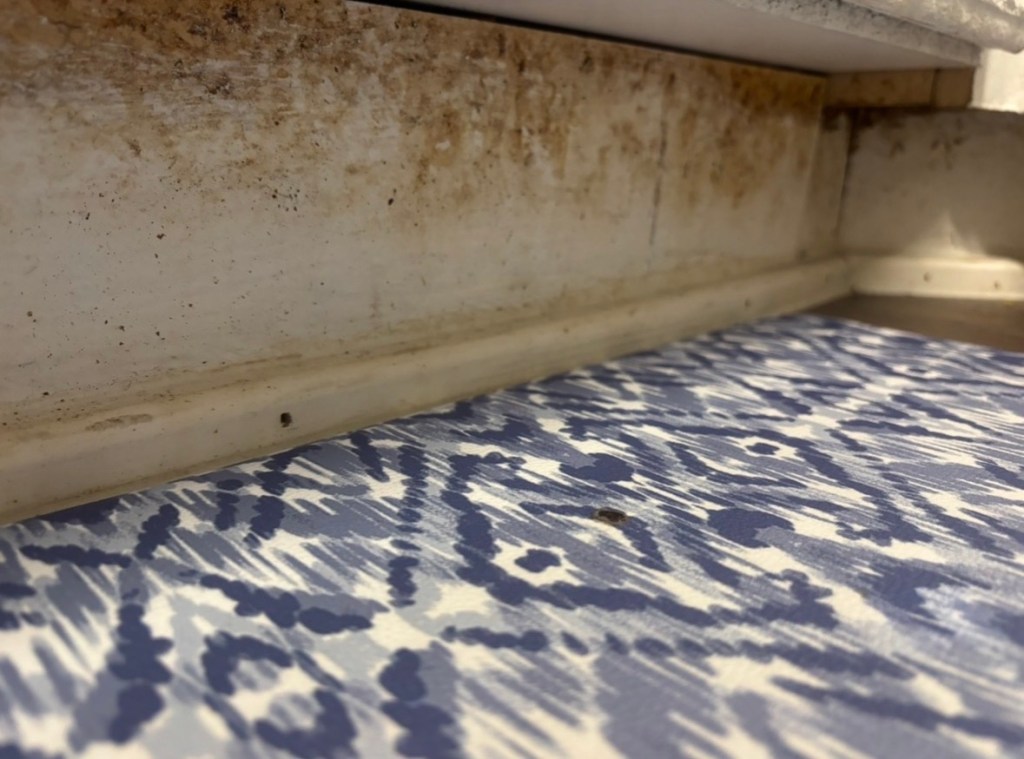
For years, my neighbors and I lived with conditions that raised serious questions about maintenance, management, and accountability. We dealt with problems that went unresolved while continuing to call this community home.
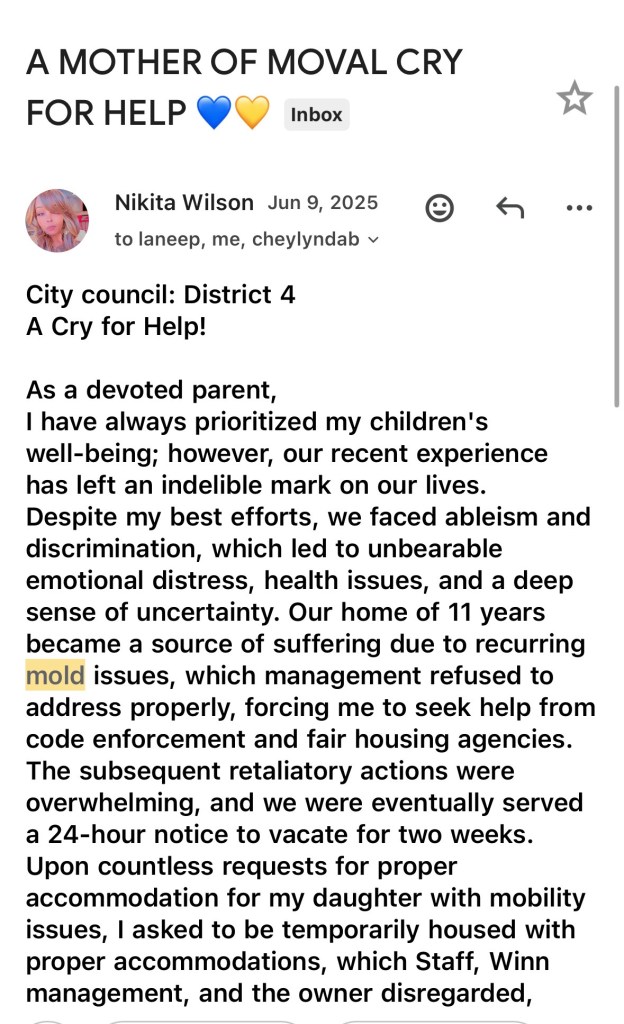
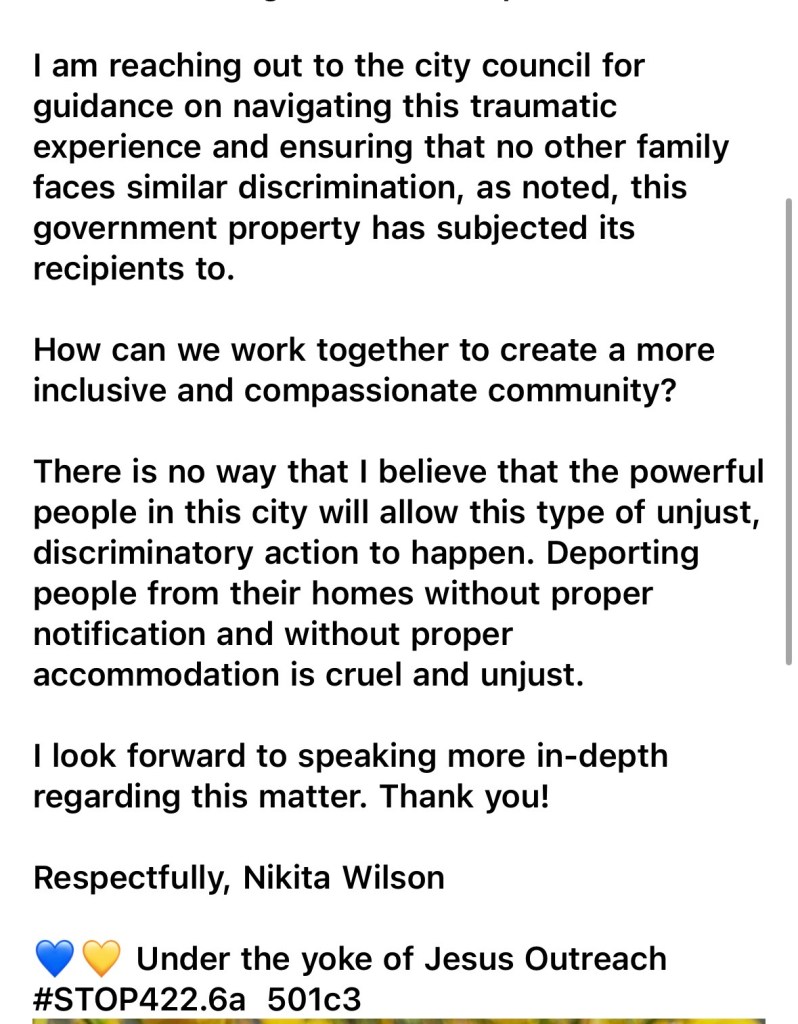
I began asking questions, documenting conditions, communicating with management, researching public records, and advocating for my family and my neighbors.
What started as an effort to address the conditions where we lived eventually became something much larger.
My advocacy reached City Hall. I began looking beyond individual maintenance complaints and asking broader questions about the property, the developer, management, public financing, and the commitments and responsibilities connected to the development.
WHEN THE CAUSE BECAME PERSONAL
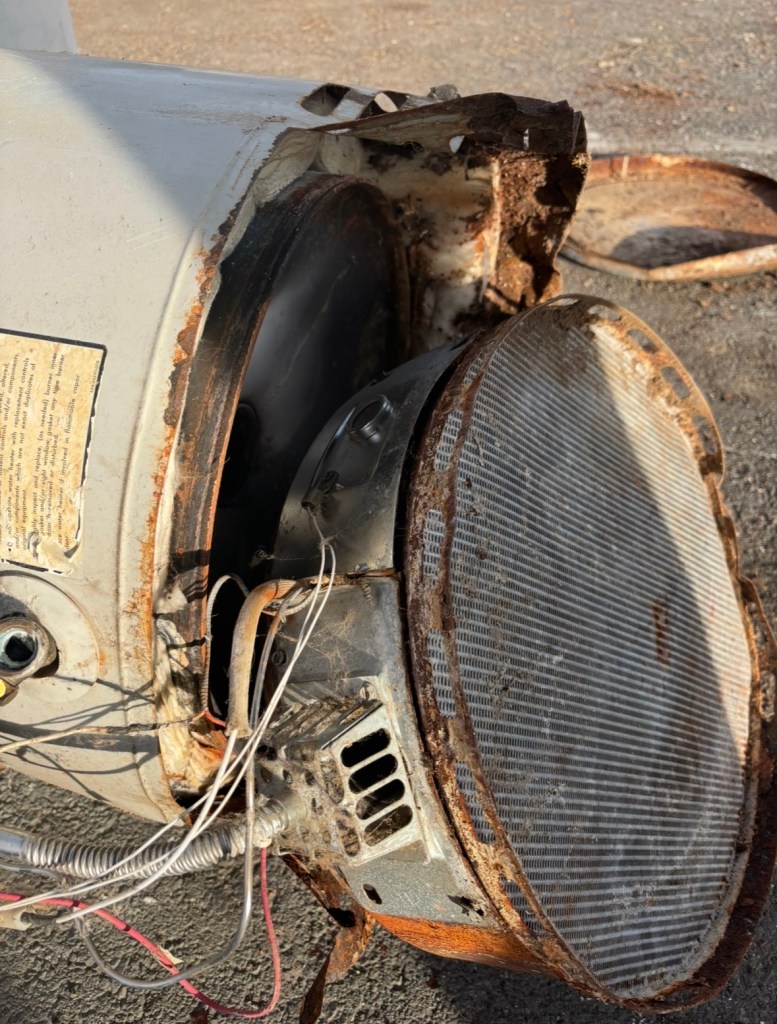
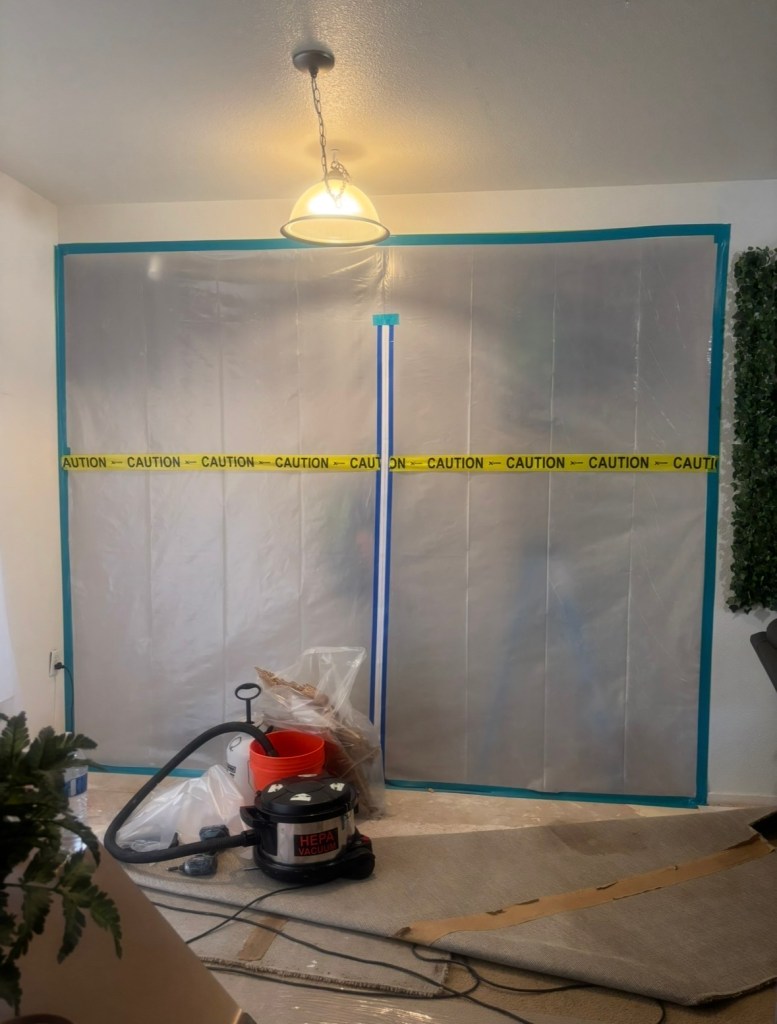
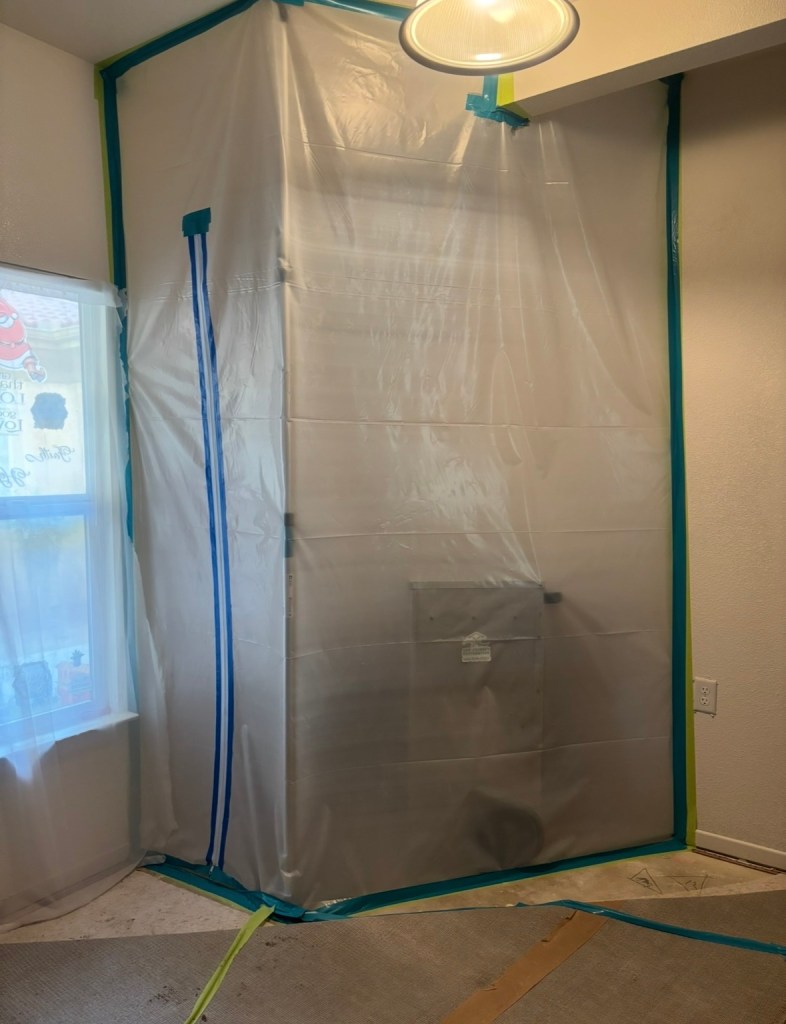
By 2025 and into 2026, my children and I were living through the very conditions I had been advocating about. Ultimately, we lost nearly everything we owned.
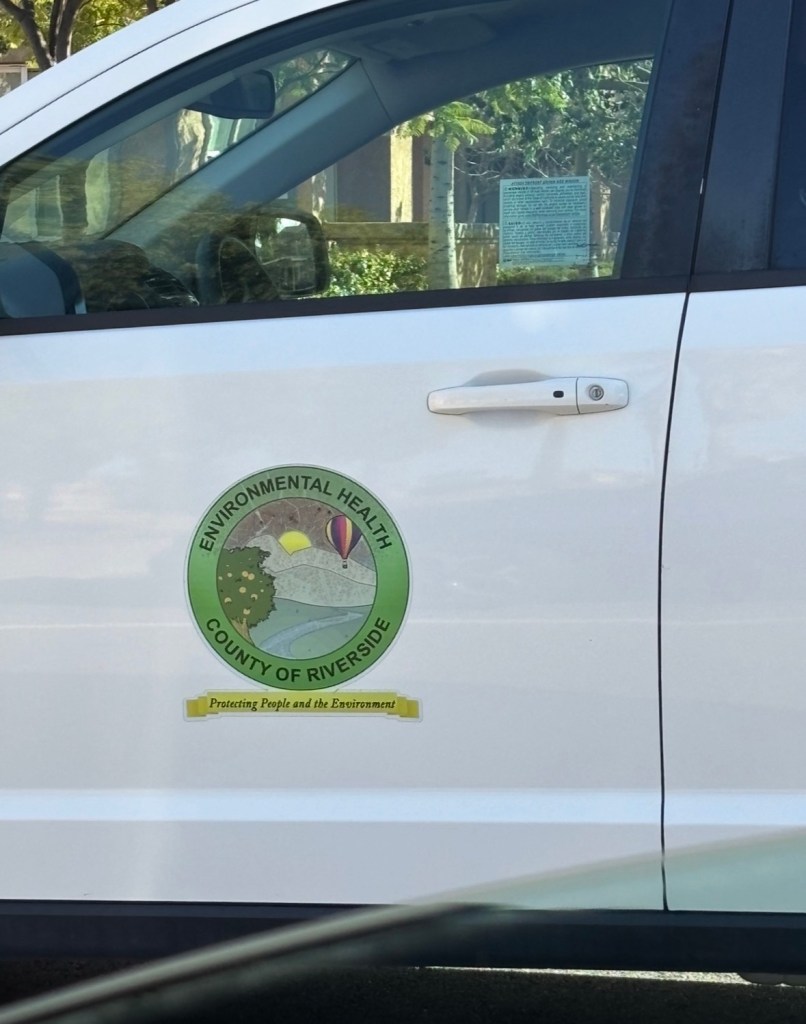
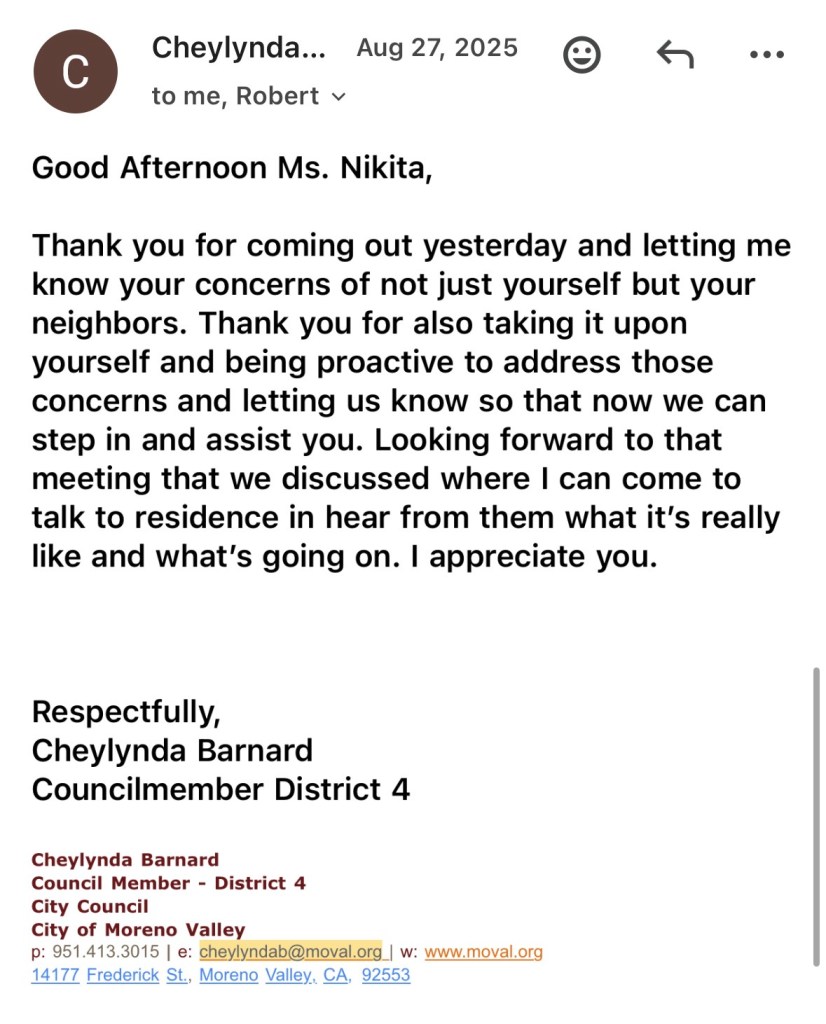
We had asked for help. Management had been contacted. Code Enforcement was involved. I reached out to our District 4 City Council representative and spoke publicly at City Hall. I was initially told the City’s hands were tied. Then , I was told that my representative and Code Enforcement would come to the property and speak with residents.
That visit never happened.
As I continued following the public record, I learned about a $3 million City loan connected to the developer. That raised even more questions for me about due diligence, oversight, accountability, and follow-through.
By then, I was already doing advocacy work in Moreno Valley. I was attending meetings, researching issues, requesting records, and speaking up. I had no intention of pursuing political office. Advocacy was enough for me.
But after what happened to my children and me, I could not simply walk away knowing another family could experience the same thing.
That experience did not begin my advocacy. It changed the direction of it.
THE RESULTS MATTER
The management company was ultimately replaced.
And my neighbors began seeing real changes.
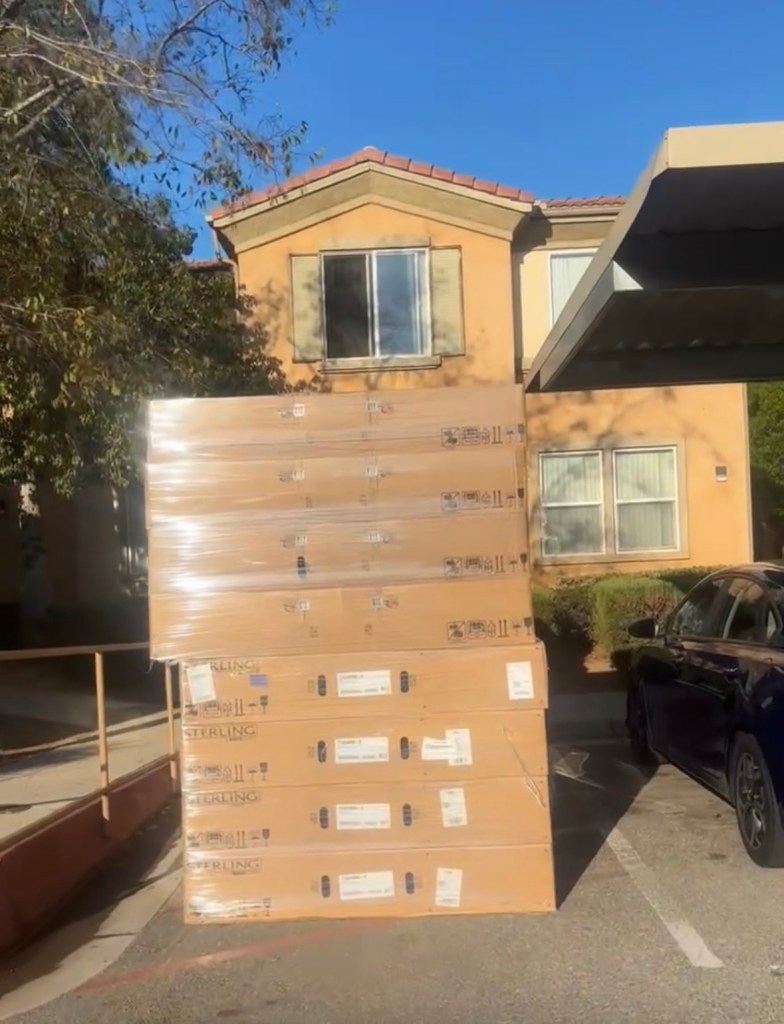
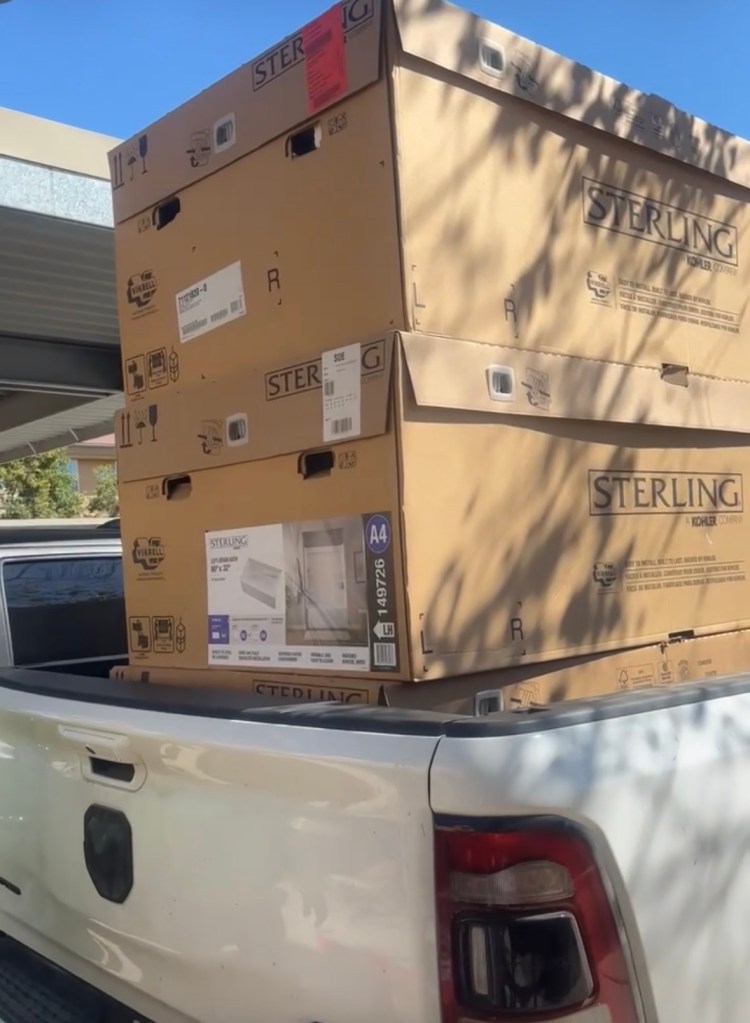
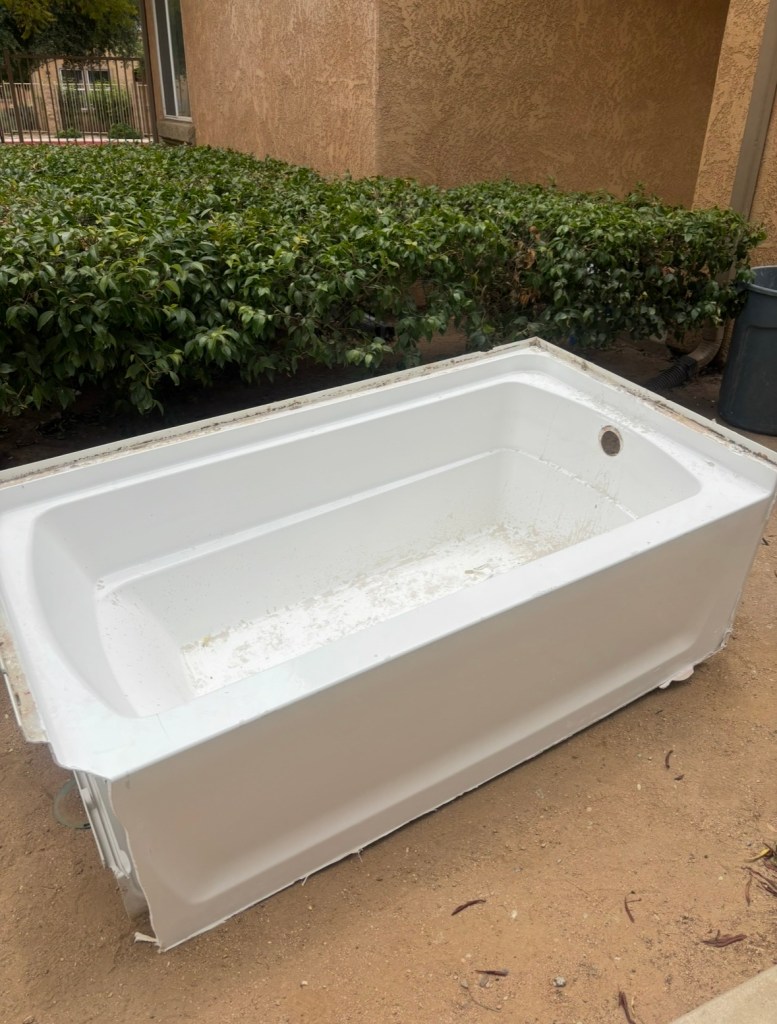
Residents received new appliances, flooring, bathtubs, kitchen improvements, remodeled units, and other long-overdue improvements after years of living with unresolved conditions.
For me, that is what accountability should ultimately produce: measurable change in people’s lives.
But the experience also raised a larger question that continues to guide my work:
When public money supports housing or development, what protections, accountability, and measurable outcomes do residents receive in return?
That question took me deeper into public records, city documents, agreements, financing, and the decisions surrounding development in Moreno Valley.
This is where lived experience became research, research became advocacy, and advocacy produced results.
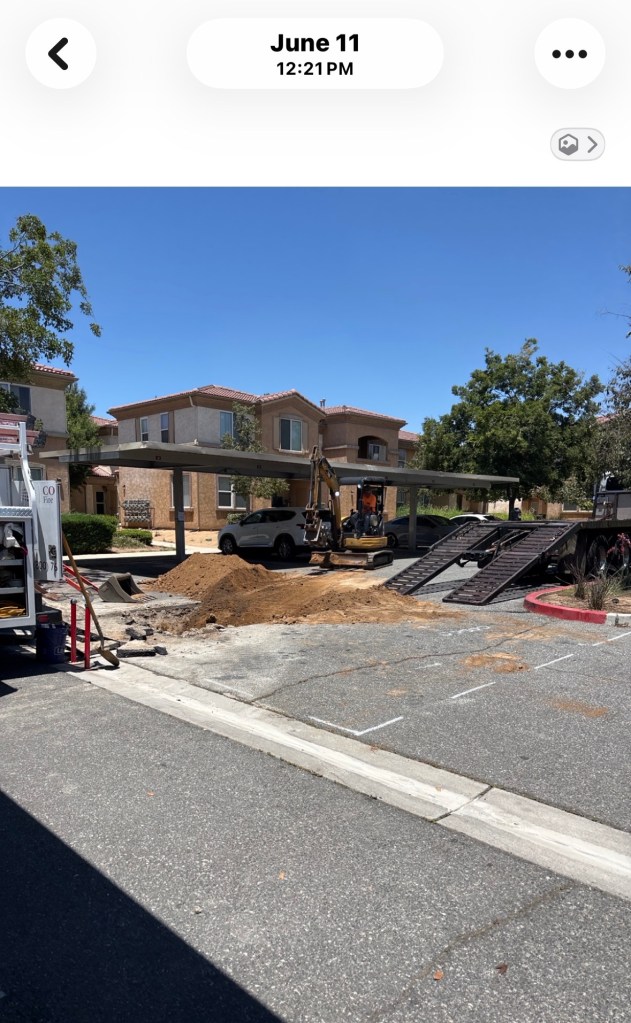
The documents, correspondence, photographs, and records below tell the rest of the story.
 Nikita Wilson for City Council District 4